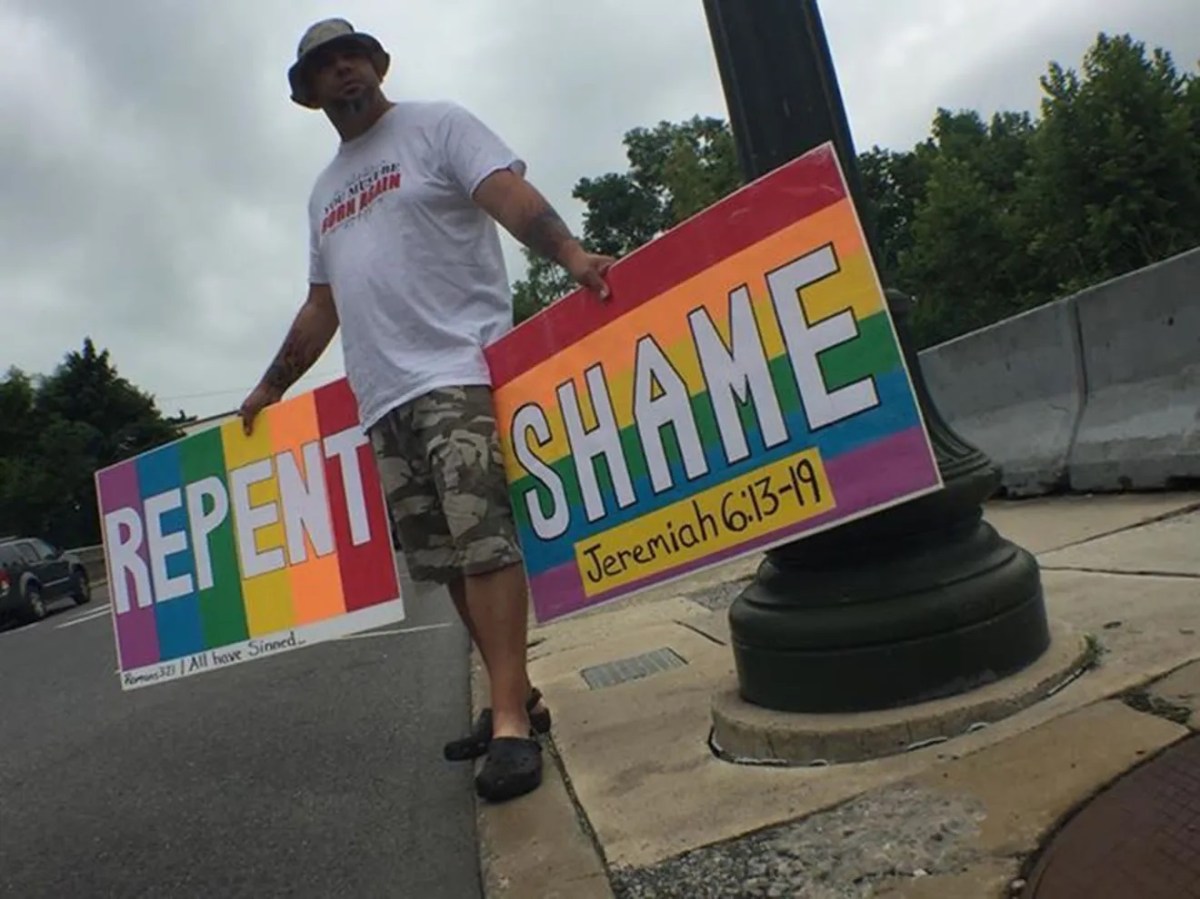
All my life, I have been told that as Christians, we “Hate the sin, but love the sinner.” This philosophy comes from the idea that Jesus was always against the sin but had a tremendous love for the sinner. It tells us that no matter what anyone has ever done, Christ still loves them. As such, we should show that same compassion for everyone, while not condoning what they have done. The basic idea is that we should be able to separate the person from their deeds.
It seems to me that this has gone backwards in recent years. Or, if not backwards, at least the “love the sinner” has changed. It is hard to view a person’s sin separately from who the person is. We label people based on what they do. It isn’t just people we know, but everyone.
One of Jesus’ disciples was Thomas “who was also called Didymus”. When Jesus first appeared to His disciples after His resurrection, Thomas was not with them. When the other disciples told Thomas about Jesus, He would not believe them. So, Christians have been labeling him “Doubting Thomas” for a long time. This name does not appear in the Bible. People have just been labeling Thomas based on his doubts. According to the Gospel of Mark, when Mary Magdalene first told the disciples that she had seen the risen Lord, they refused to believe it. Yet, we only label Thomas as a doubter, when the other ten, plus other followers of Christ, could be called doubters. None of the disciples believed that Jesus had been resurrected until they saw Him. Does that mean that any of them should carry the burden of that doubt as a name for themselves?
We still identify people by their sins whenever we take that sin and make it the person’s identity.
Not identifying a person only by their sin has been challenging for me when it comes to the LGBTQ movement. To me, the sin is obvious. See Lev. 18:22; Lev. 20:13; Rom. 1:26-32; 1 Cor. 6:9-10; 1 Tim. 1:8-11, etc. As Christians, we are familiar with these scriptures because we use them to justify or anger with the LGBTQ community. Using these scriptures as weapons against the lost will never help them to be found. Christ did offer correction to the religious leaders who should have known better about their sin. However, when it came to His dealings with the lost, He showed compassion. We never see Jesus looking at the lost and saying, “Turn or burn!” We are not going to reach the LGBTQ community with phrases like, “God created Adam and Eve, not Adam and Steve.” No, we must show people, no matter what their sin, the Love of God in Christ. We don’t have to convict anyone about their sin. That is the Holy Spirit’s job. All we have to do is bring them face to face with the Spirit by loving them the way Christ would.
Make no mistake, I am not condoning the actions of anyone. The LGBTQ lifestyle is sin. I have some strong feelings against it. However, that does not mean I have the right to slam the door of Christ’s love in anyone’s face.
I am giving you a new commandment, that you love one another; just as I have loved you, that you also love one another. By this all people will know that you are My disciples: if you have love for one another. (John 13:34-35 NASB)
This is My commandment, that you love one another, just as I have loved you. Greater love has no one than this, that a person will lay down his life for his friends. (John 15:12-13 NASB)
 Todd's Blog